Acoustic Simulation


What we do

Acoustic Simulation in Solids

Achieve quieter, high-performance products with advanced acoustic simulation in solids from MSTECH. Our acoustic simulation models sound wave propagation and structural coupling, enabling engineers to optimize noise control, material damping, and vibration performance in automotive, aerospace, and industrial applications.

Services Offered

Our Acoustic Simulation Services

Our acoustic simulation services provide advanced modeling solutions for noise control, vibration analysis, and wave propagation in solid structures. By leveraging acoustic simulation principles and FEA, we help engineers optimize design acoustics, improve material performance, and ensure quieter, more efficient mechanical systems across automotive, aerospace, and industrial sectors.


1

Acoustic Wave Propagation in Solids

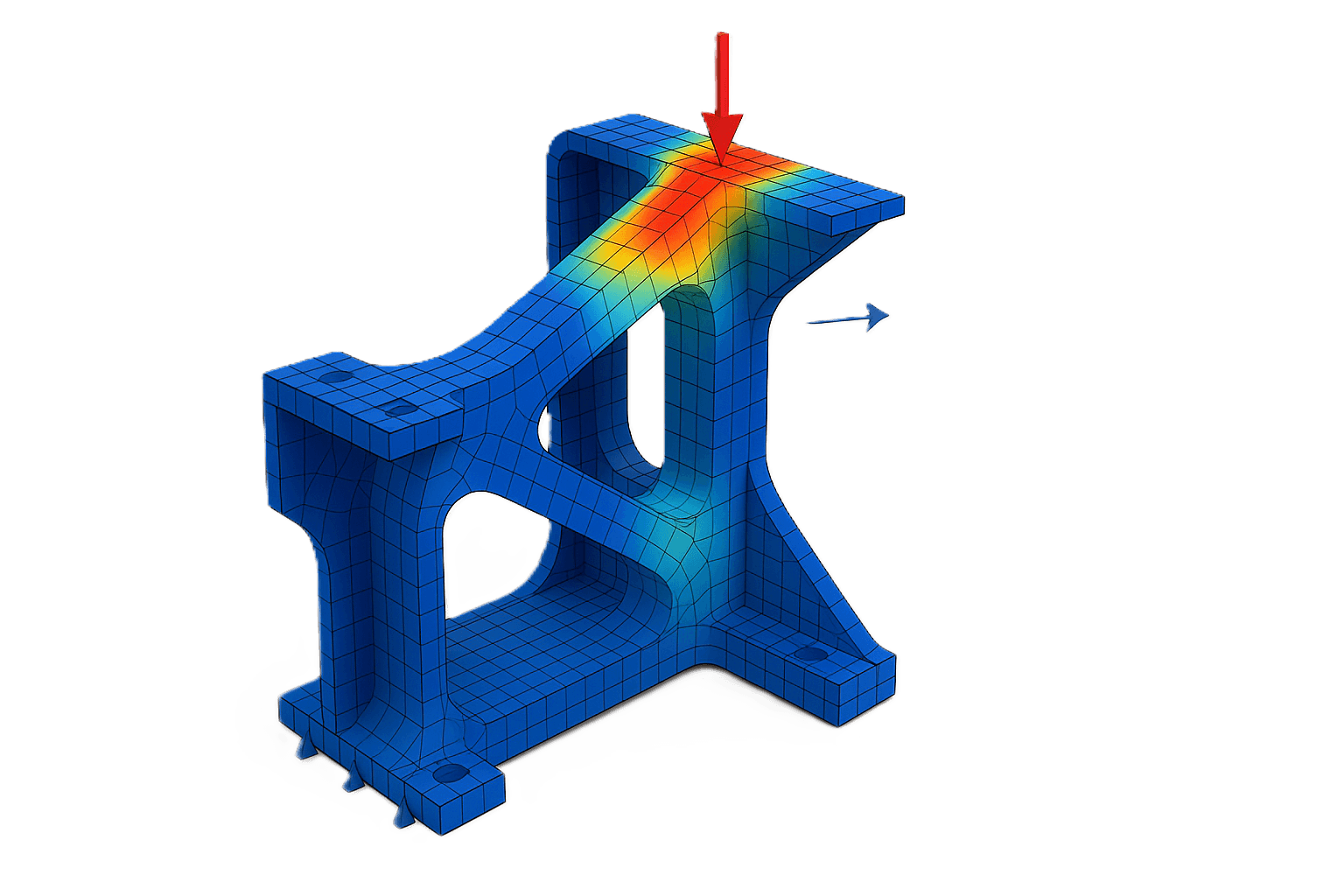
We simulate how stress waves and pressure fluctuations travel through solid materials, evaluating reflection, refraction, and scattering. This is critical for optimizing the acoustic response of structural components in automotive, aerospace, and industrial applications where internal sound propagation affects performance and durability

1

Acoustic Wave Propagation in Solids

We simulate how stress waves and pressure fluctuations travel through solid materials, evaluating reflection, refraction, and scattering. This is critical for optimizing the acoustic response of structural components in automotive, aerospace, and industrial applications where internal sound propagation affects performance and durability

1

Acoustic Wave Propagation in Solids

We simulate how stress waves and pressure fluctuations travel through solid materials, evaluating reflection, refraction, and scattering. This is critical for optimizing the acoustic response of structural components in automotive, aerospace, and industrial applications where internal sound propagation affects performance and durability

2

Structural–Acoustic Coupling (Solid Vibro-Acoustics)

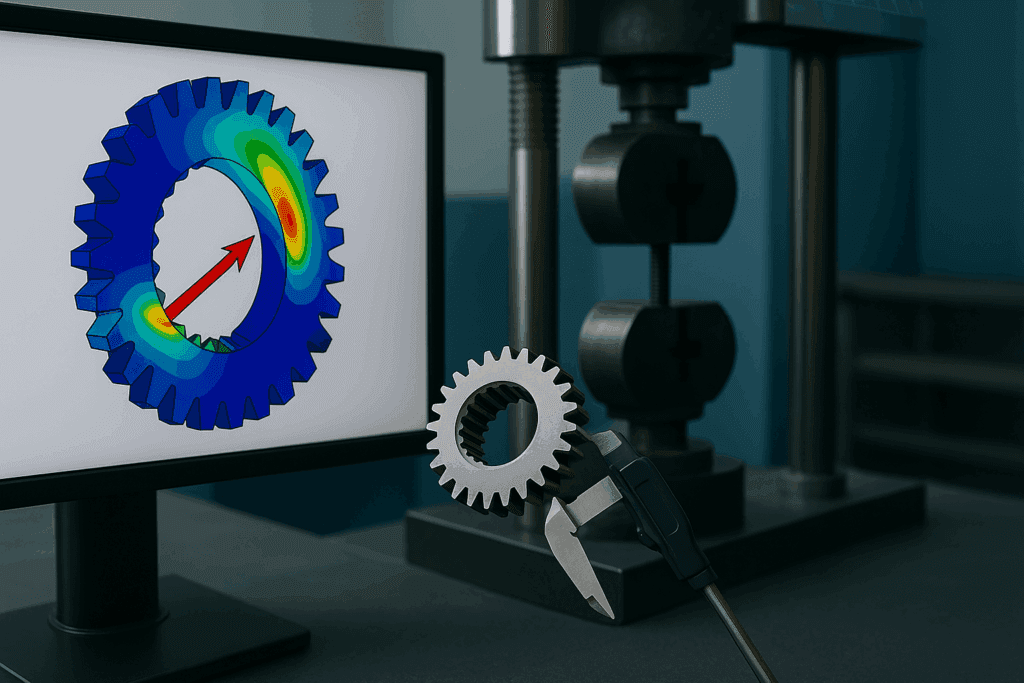
Our analyses focus on the interaction between mechanical vibrations and structural sound waves in solids. By modeling this coupling, we help engineers design components that reduce radiated noise and resonance, enhancing product reliability and acoustic performance under real-world operating conditions.

2

Structural–Acoustic Coupling (Solid Vibro-Acoustics)

Our analyses focus on the interaction between mechanical vibrations and structural sound waves in solids. By modeling this coupling, we help engineers design components that reduce radiated noise and resonance, enhancing product reliability and acoustic performance under real-world operating conditions.

2

Structural–Acoustic Coupling (Solid Vibro-Acoustics)

Our analyses focus on the interaction between mechanical vibrations and structural sound waves in solids. By modeling this coupling, we help engineers design components that reduce radiated noise and resonance, enhancing product reliability and acoustic performance under real-world operating conditions.

3

Modal & Natural Frequency Analysis

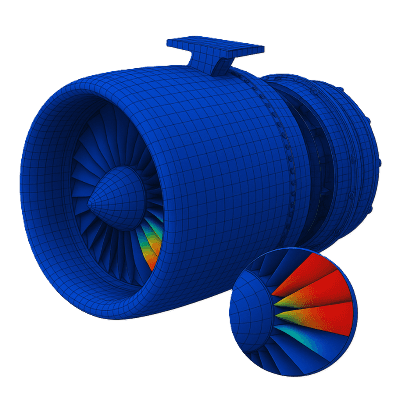
We extract natural frequencies and vibration modes in solid structures to identify potential acoustic issues like resonance and harmonic amplification. This supports the design of quieter products by avoiding frequencies that lead to excessive noise, especially in high-performance environments such as EVs and aerospace interiors.

3

Modal & Natural Frequency Analysis

We extract natural frequencies and vibration modes in solid structures to identify potential acoustic issues like resonance and harmonic amplification. This supports the design of quieter products by avoiding frequencies that lead to excessive noise, especially in high-performance environments such as EVs and aerospace interiors.

3

Modal & Natural Frequency Analysis

We extract natural frequencies and vibration modes in solid structures to identify potential acoustic issues like resonance and harmonic amplification. This supports the design of quieter products by avoiding frequencies that lead to excessive noise, especially in high-performance environments such as EVs and aerospace interiors.

4

Sound Transmission Loss & Acoustic Damping

We evaluate how solid materials and multilayered structures attenuate sound and absorb vibration. This analysis enables engineers to select and optimize materials that provide superior noise reduction, contributing to better occupant comfort and compliance with industry noise control regulations.

4

Sound Transmission Loss & Acoustic Damping

We evaluate how solid materials and multilayered structures attenuate sound and absorb vibration. This analysis enables engineers to select and optimize materials that provide superior noise reduction, contributing to better occupant comfort and compliance with industry noise control regulations.

4

Sound Transmission Loss & Acoustic Damping

We evaluate how solid materials and multilayered structures attenuate sound and absorb vibration. This analysis enables engineers to select and optimize materials that provide superior noise reduction, contributing to better occupant comfort and compliance with industry noise control regulations.

Get in touch

Get In Touch

Ready to take your business to the next level? Fill out the form below to receive a customized quote tailored to your project requirements. Our team will review your information and get back to you promptly with a detailed proposal.

Book a free consultation

By submitting this form you agree to our Privacy Policy. Optimum may contact you via email or phone for scheduling or marketing purposes.